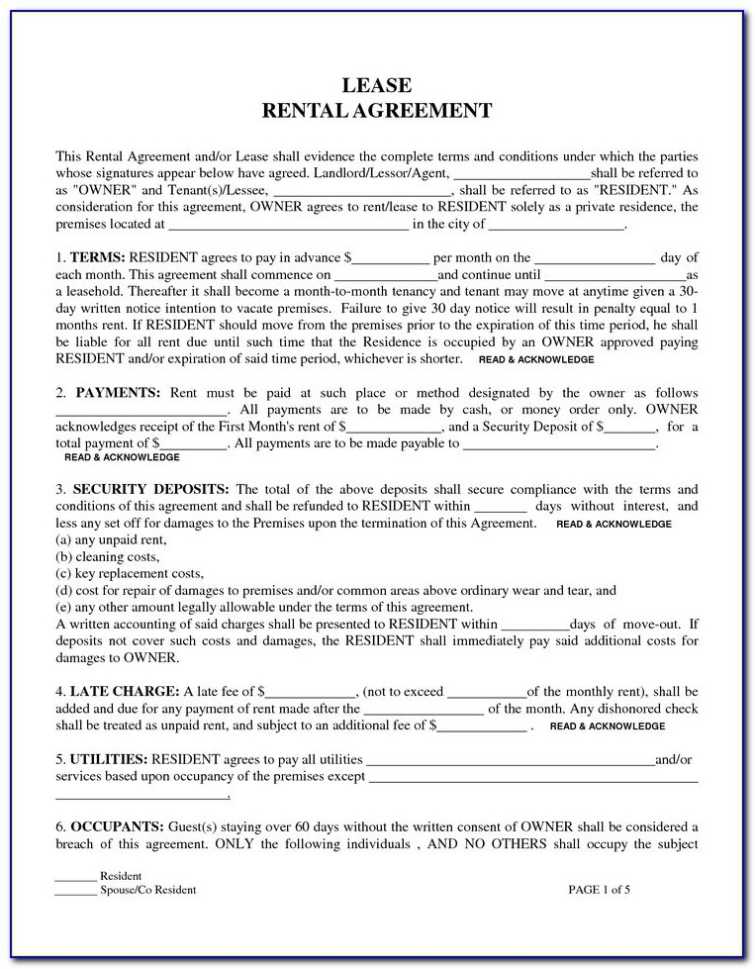
Navigating the landscape of residential letting in Scotland requires a clear understanding of the legal frameworks that govern landlord and tenant relationships. For those dealing with tenancies that began before December 2017, having access to a reliable Scottish Short Assured Tenancy Agreement Template is not just helpful, it's essential for referencing the specific terms and conditions that apply. While this type of tenancy can no longer be created, countless such agreements are still active across the country, making a thorough knowledge of their structure and legal standing critically important for both landlords and tenants.
The Short Assured Tenancy, or SAT, was the most common form of private residential tenancy in Scotland for many years. It was established under the Housing (Scotland) Act 1988 and offered a balance between providing tenants with a home for a fixed period and giving landlords a clear route to regain possession of their property at the end of that term. This system provided a degree of certainty for both parties, with typical fixed terms lasting six or twelve months.
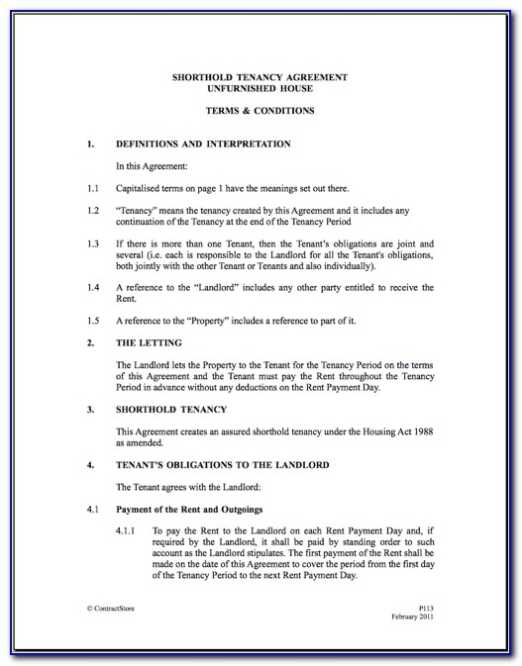
However, the private rental sector in Scotland underwent a significant transformation with the introduction of the Private Housing (Tenancies) (Scotland) Act 2016. This legislation replaced the Short Assured Tenancy with the new Private Residential Tenancy (PRT) for all new agreements starting on or after 1 December 2017. This change marked a fundamental shift towards greater security of tenure for tenants.
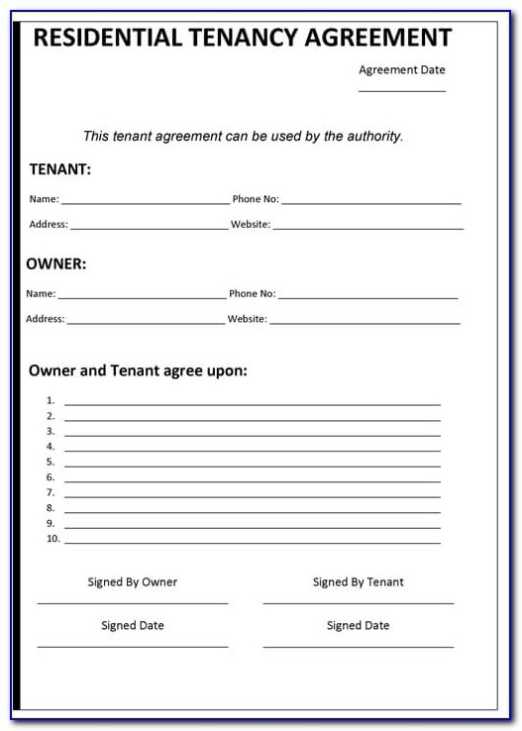
Despite this legislative overhaul, the legacy of the Short Assured Tenancy lives on. Any SAT that was in place before the 2017 cut-off date continues to operate under the old rules until it is formally ended by either the tenant or the landlord. This is precisely why understanding the components of a SAT agreement remains relevant. Landlords need to know their rights and obligations for managing these older tenancies, while tenants need to be aware of the terms they originally signed up to, particularly concerning rent, repairs, and the process for ending the agreement.
Understanding the Short Assured Tenancy in Scotland
The Short Assured Tenancy (SAT) was the default agreement for private landlords in Scotland for nearly three decades. Its legal basis is the Housing (Scotland) Act 1988, which defined its key characteristics and the procedures required to create and terminate it. Understanding these foundational elements is crucial for anyone managing or living under such an agreement.
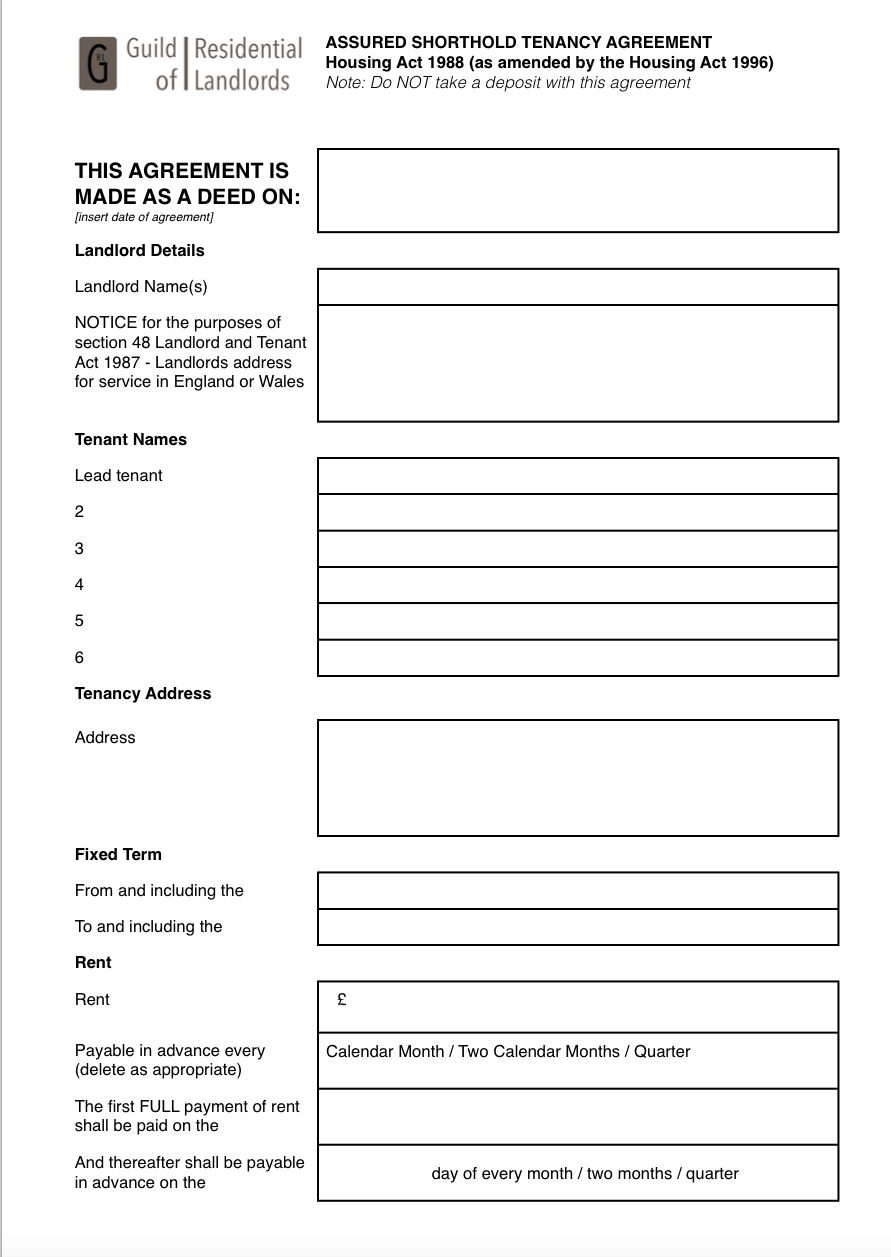
A key feature of the SAT was its fixed-term nature. When a tenant signed the agreement, they were committing to renting the property for a specified minimum period, most commonly six or twelve months. During this initial term, the landlord could not ask the tenant to leave unless the tenant had breached a specific clause in the agreement, such as failing to pay rent.

Crucially, for a tenancy to be a valid SAT, the landlord had to serve a specific notice on the tenant before the tenancy agreement was signed. This notice was called the Form AT5. The purpose of this form was to inform the tenant that the tenancy they were about to enter into was a Short Assured Tenancy and that the landlord had a right to repossess the property at the end of the fixed term. If the AT5 form was not served correctly, the tenancy would likely default to being an Assured Tenancy, which grants the tenant much stronger long-term security.

At the end of the initial fixed term, if a new agreement was not signed, the tenancy did not simply end. Instead, it would automatically continue on a rolling basis, typically month-to-month. This is known as a statutory assured tenancy. The terms of the original agreement would largely continue to apply, but the process for ending the tenancy would change slightly. The landlord's "no-fault" right to repossession remained, but they had to follow a strict notice procedure to exercise it.
Why You Might Still Need a Scottish Short Assured Tenancy Agreement Template
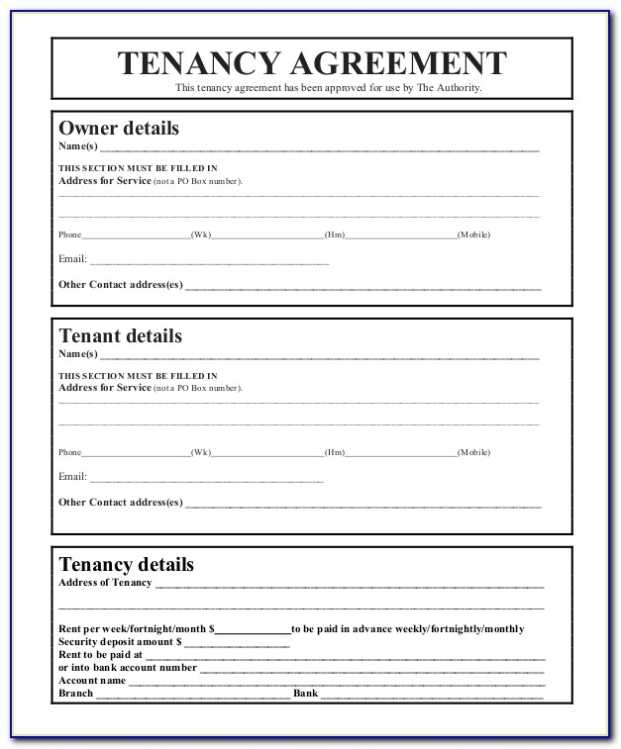
Even though new Short Assured Tenancies can no longer be created, a Scottish Short Assured Tenancy Agreement Template remains a valuable resource for several important reasons. These agreements are far from being historical artifacts; they are active legal documents governing thousands of ongoing tenancies.
Managing Existing Tenancies
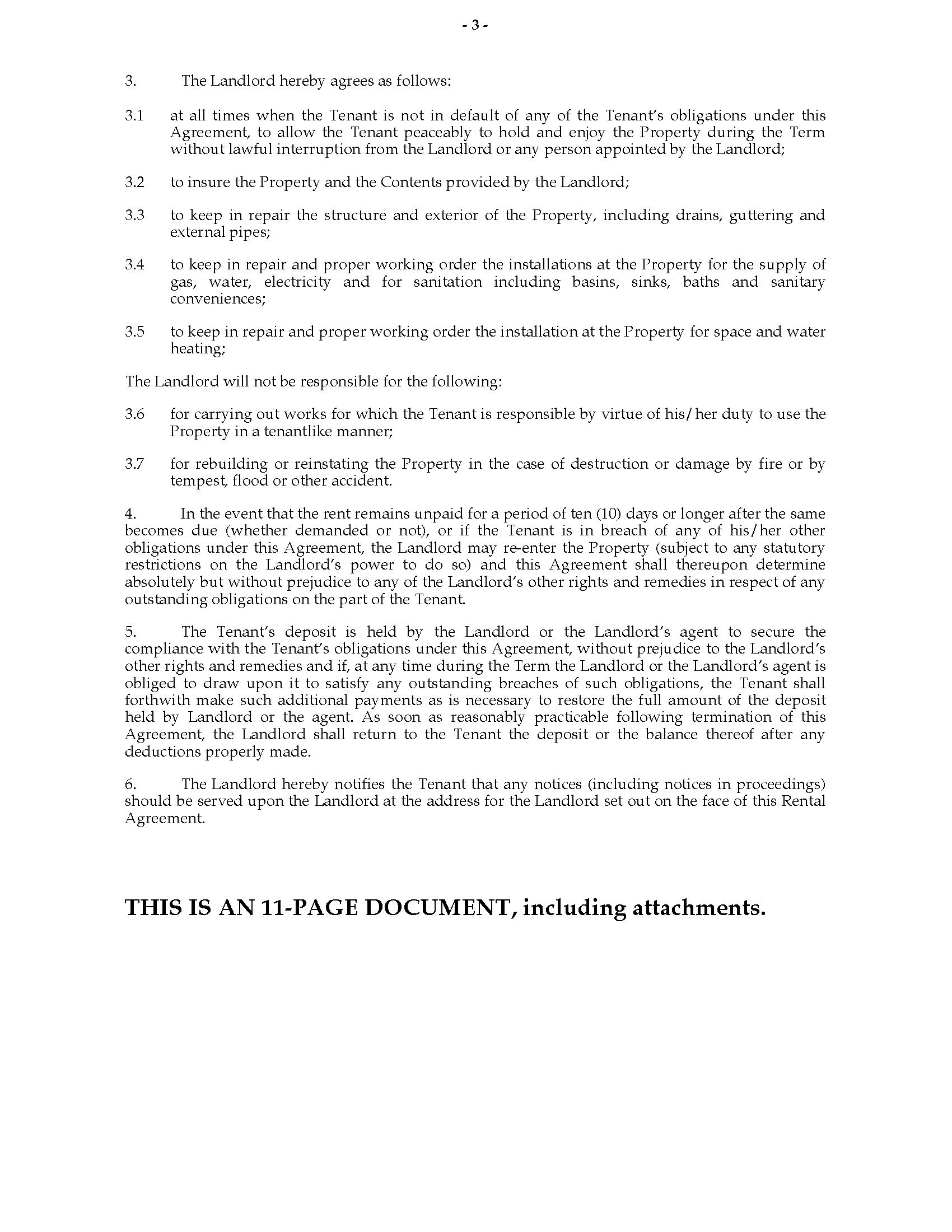
For landlords and letting agents who still manage properties let out before 1 December 2017, the original tenancy agreement is the primary document defining the relationship. If a question arises about a tenant's responsibility for garden maintenance, a landlord's obligation for a specific repair, or the agreed-upon rent payment date, the answer lies within the clauses of that original SAT agreement. Having a template helps to understand the standard structure and wording of these clauses.
Reference for Dispute Resolution
Disputes, unfortunately, can arise. When they do, the First-tier Tribunal for Scotland (Housing and Property Chamber) will refer directly to the tenancy agreement. Whether the issue is unpaid rent, property damage, or a disagreement over the return of a deposit, the signed agreement is the key piece of evidence. A template provides a clear framework for what should be in the agreement, helping both landlords and tenants understand their legal standing before, during, and after a dispute.
Legal and Historical Context
For property professionals, solicitors, and advisors, having access to old templates is essential for providing accurate advice to clients. They may need to review an existing SAT to advise on its terms or to understand the historical context when dealing with a long-term tenant. It serves as a vital reference tool for ensuring that advice given on these legacy contracts is accurate and compliant with the Housing (Scotland) Act 1988.
Understanding Your Rights and Obligations
Tenants living under a SAT need to be fully aware of the terms they agreed to. The agreement outlines their rights regarding repairs and quiet enjoyment of the property, as well as their obligations concerning rent payments and property care. Referring to a template can help clarify these points and ensure they understand the specific process the landlord must follow if they wish to end the tenancy.

Key Clauses in a Short Assured Tenancy Agreement
A well-drafted Short Assured Tenancy agreement is a detailed document covering all aspects of the rental arrangement. While the exact wording can vary, the core components are standardized. Understanding these key clauses is vital for both parties.

Parties and Property
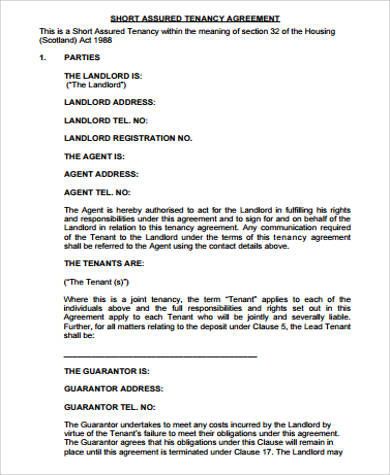
The agreement must clearly identify all parties involved. This includes the full names and addresses of the landlord(s) and all tenant(s). If a guarantor is involved, their details and obligations must also be explicitly stated. The document must also contain the full postal address of the rental property and may include a description of its boundaries and any included furnishings, as detailed in an inventory.
The Term and Rent
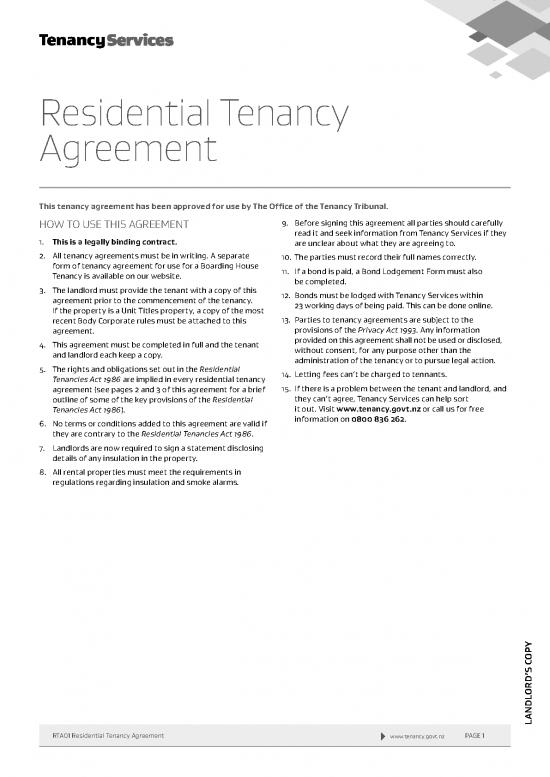
This section specifies the duration of the tenancy. It will state the start date and the end date of the initial fixed term. Following this, the rent details are laid out, including the monthly rent amount, the date it is due (e.g., the 1st of each month), the required method of payment (e.g., standing order), and any potential penalties for late payments as permitted by law.
The Deposit
Nearly all SATs required a security deposit. This clause must state the amount of the deposit paid by the tenant. Crucially, under Scottish law, the landlord was required to protect this deposit in one of three government-approved Tenancy Deposit Schemes within 30 working days of the tenancy starting. The agreement should state which scheme the deposit is held in and provide the necessary prescribed information to the tenant.

Landlord's Obligations
This section outlines the landlord's legal responsibilities. Key duties include:
* Ensuring the property meets the Repairing Standard. This means the property must be wind and watertight, and installations for water, gas, electricity, sanitation, and heating must be in a reasonable state of repair and proper working order.
* Carrying out necessary repairs to the structure and exterior of the property.
* Ensuring all relevant safety checks are completed and certificates are provided to the tenant, including a Gas Safety Certificate (annually), an Electrical Installation Condition Report (EICR), and checks for smoke, heat, and carbon monoxide alarms.

Tenant's Obligations
This part of the agreement details the tenant's responsibilities. These typically include:
* Paying the rent on time.
* Keeping the property in a reasonable state of cleanliness.
* Reporting any need for repairs to the landlord promptly.
* Not causing a nuisance or engaging in anti-social behaviour.
* Not subletting the property or making alterations without the landlord's written consent.
* Providing access for repairs and inspections, provided reasonable notice is given.
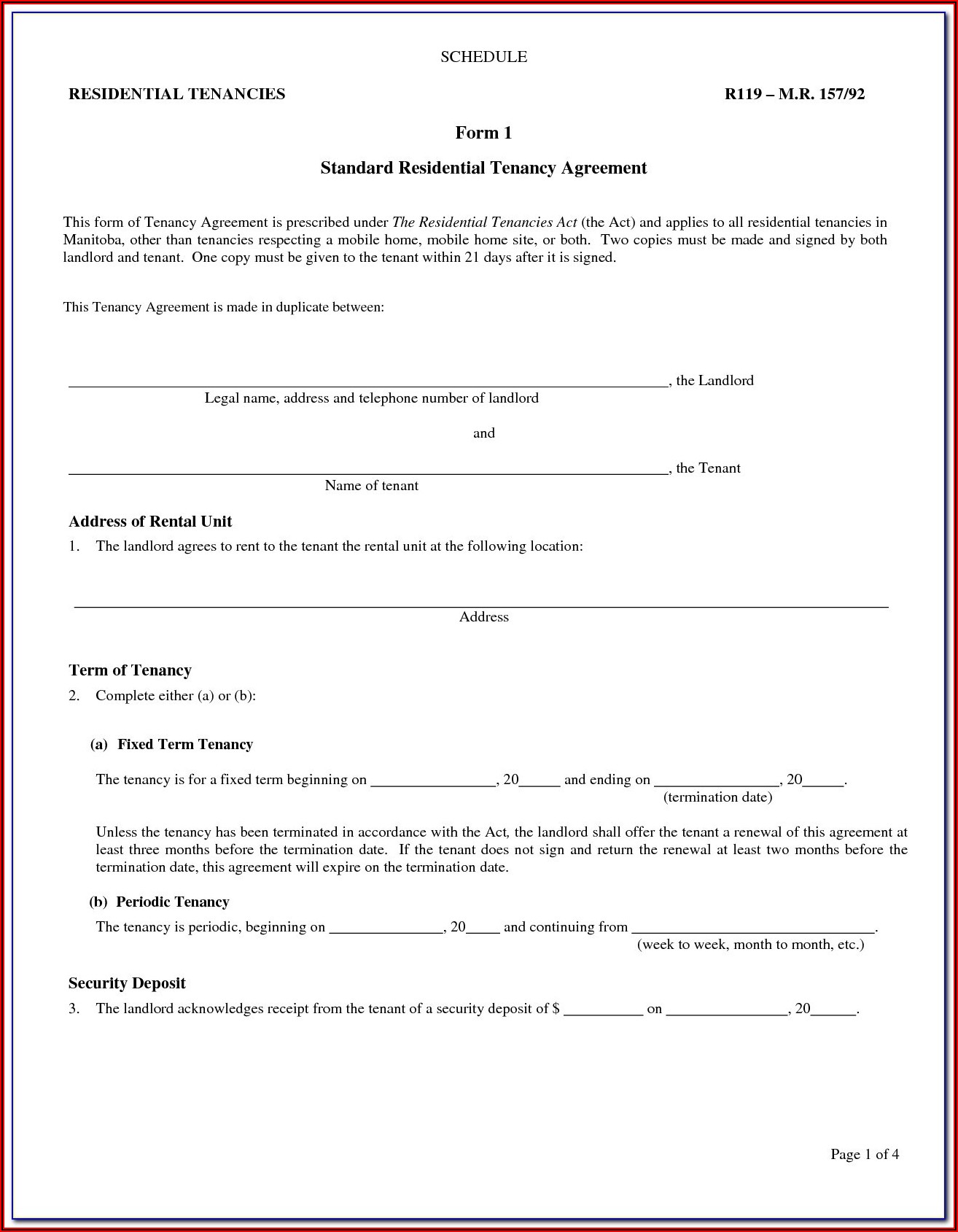
The Crucial Role of the AT5 Form
One of the most defining and critical procedural elements of creating a valid Short Assured Tenancy was the service of a Form AT5. This document is not part of the tenancy agreement itself but is a prescribed notice that had to be given to the prospective tenant before they signed the lease.
The purpose of the AT5 was unambiguous: it formally notified the tenant that the tenancy they were about to enter was a Short Assured Tenancy. This meant explicitly informing them that the landlord had an absolute right to regain possession of the property after the initial fixed term expired, provided they followed the correct legal procedure. This is often referred to as the 'no-fault' ground for eviction, as the landlord did not need to provide a reason for wanting the property back.
The timing and correct service of the AT5 were paramount. If a landlord failed to provide a tenant with this form before the tenancy agreement was signed and the tenant moved in, the tenancy could not be a Short Assured Tenancy. Instead, it would automatically become an Assured Tenancy.
The distinction is hugely significant. An Assured Tenancy provides much greater security of tenure for the tenant. A landlord cannot end an Assured Tenancy simply because a fixed term has ended. They can only seek to repossess the property by proving one of the specific grounds for eviction listed in the Housing (Scotland) Act 1988, such as rent arrears or anti-social behaviour. The automatic right to possession is lost. For this reason, the proper service of the Form AT5 was a cornerstone of the SAT regime.
The Transition to the Private Residential Tenancy (PRT)
The landscape of private renting in Scotland changed fundamentally on 1 December 2017 with the introduction of the Private Residential Tenancy (PRT). This new tenancy model, established by the Private Housing (Tenancies) (Scotland) Act 2016, replaced both Assured and Short Assured Tenancies for all new lets.
The PRT was designed to provide greater stability and security for tenants while ensuring landlords could still manage their properties effectively. The key differences from the old SAT system are stark:
- No More Fixed Terms: The PRT is an open-ended tenancy. It does not have an end date. The tenancy continues until the tenant wishes to leave (giving 28 days' notice) or the landlord uses one of the 18 specific grounds for eviction.
- End of 'No-Fault' Evictions: The landlord's automatic right to repossess the property at the end of a term is gone. To end a PRT, a landlord must rely on one of the 18 grounds for eviction, which include reasons such as the landlord intending to sell the property, carry out major refurbishment, or move into it themselves.
- Rent Increase Protection: Rent can only be increased once every 12 months, and the landlord must give the tenant at least three months' notice using a specific 'rent increase notice' form. Tenants can challenge excessive rent increases via a Rent Officer.
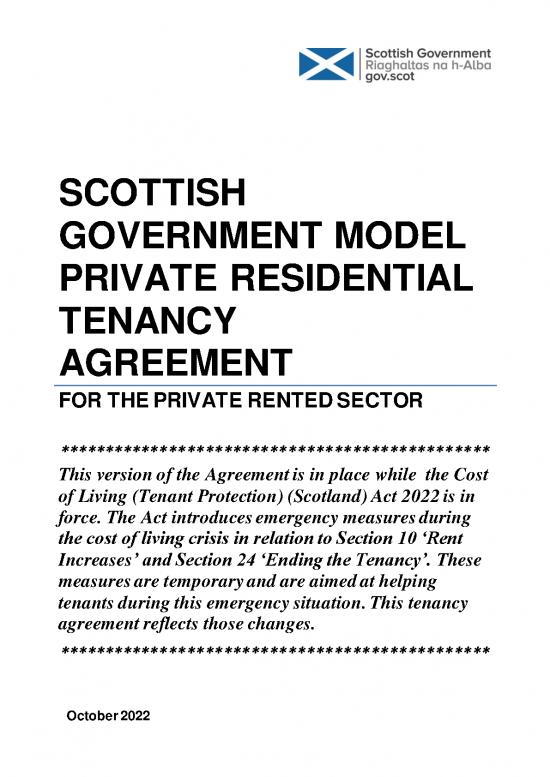
- Model Tenancy Agreement: The Scottish Government has provided a Model Private Residential Tenancy Agreement which landlords are encouraged to use. This includes mandatory clauses that must be in all PRT agreements, as well as discretionary clauses that can be added.
Existing Short Assured Tenancies were not automatically converted into PRTs on 1 December 2017. They continue to run under the old rules until either the tenant or the landlord brings the tenancy to an end using the correct legal procedures applicable to a SAT.
How to End a Short Assured Tenancy
The process for ending a Short Assured Tenancy is strictly defined by law and differs for landlords and tenants. It is vital that the correct notices and timeframes are used to ensure the termination is legally valid.
Ending the Tenancy by the Landlord
A landlord seeking to end a SAT must follow a two-notice procedure.
- Notice to Quit: This is a common-law notice that must be in writing. It informs the tenant of the date on which the landlord requires them to leave the property. The notice period must be at least 28 clear days if the tenancy term was less than four months, or 40 clear days if the tenancy has been running for longer. It must also expire on the tenancy's end date (the 'ish').
- Section 33 Notice: Alongside the Notice to Quit, the landlord must serve a Section 33 notice. This notice states that the landlord requires possession of the property. The notice period for a Section 33 notice is two months.
Both notices can be served at the same time, but the landlord cannot apply to the Tribunal for an eviction order until both notice periods have expired. If the tenant does not leave by the specified date, the landlord must apply to the First-tier Tribunal for Scotland (Housing and Property Chamber) for an eviction order. They cannot simply change the locks.
Ending the Tenancy by the Tenant
The process for a tenant is much simpler. A tenant can end the tenancy by moving out on or before the end date of the fixed term. While they are not legally required to give notice to do so, it is considered good practice to inform the landlord of their intentions in writing.
If the tenancy has continued beyond the fixed term and become a rolling, statutory assured tenancy, the tenant must give the landlord written notice to end it. The required notice period is determined by the original agreement but is typically at least 28 or 40 days, depending on the length of the tenancy, and must end on the correct day of the rental period.
Conclusion
The Scottish Short Assured Tenancy Agreement Template remains a fundamentally important document in the Scottish private rental sector. While the SAT has been superseded by the more modern Private Residential Tenancy for all new lets since December 2017, its legacy endures in the thousands of tenancies that pre-date this change. For landlords, tenants, and letting agents involved with these ongoing agreements, a clear understanding of their structure, clauses, and legal implications is not just advisable—it is essential for fair and lawful property management.
Key takeaways include the importance of the fixed-term nature of the SAT, the critical role of the Form AT5 in its creation, and the specific two-notice procedure required for a landlord to regain possession. The contrast with the open-ended, more secure PRT highlights the significant evolution of tenants' rights in Scotland.
Ultimately, whether you are a landlord managing a historic portfolio or a tenant living under an older agreement, the original Short Assured Tenancy agreement is the definitive guide to your rights and responsibilities. Using a template as a reference can demystify its terms and ensure that any actions taken, from requesting repairs to ending the tenancy, are done correctly and in accordance with the law. For any specific or contentious issues, seeking professional legal advice is always the most prudent course of action.
0 Response to "Scottish Short Assured Tenancy Agreement Template"
Posting Komentar